
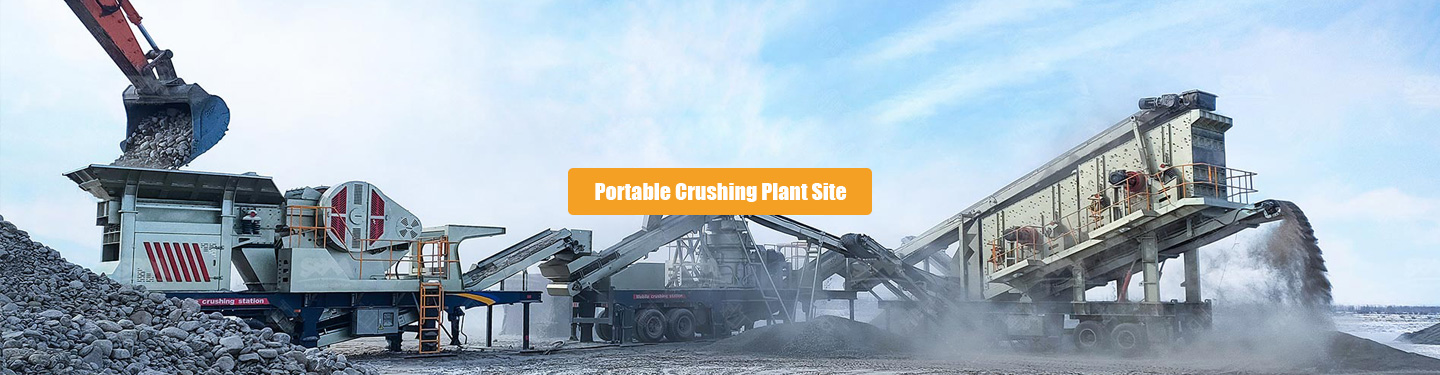
A vibrating feeder plays a critical role in modern crushed stone production lines. It is used to feed raw materials uniformly and continuously into crushers or screening equipment. With the ability to handle large volumes of stone, a vibrating feeder ensures that the production process runs smoothly, efficiently, and without unnecessary interruptions. The feeder’s vibration mechanism facilitates the steady movement of material, preventing blockages and minimizing manual handling.
The design of a vibrating feeder typically includes a vibrating frame, spring, vibrator, and motor. This setup allows the feeder to create controlled vibrations that move material forward. In a crushed stone plant, the feeder is usually positioned at the beginning of the production line, often installed under hoppers or silos containing raw aggregates. Its robust design enables it to handle harsh operating conditions, such as heavy loads and abrasive stone materials, making it ideal for mining and quarrying operations.
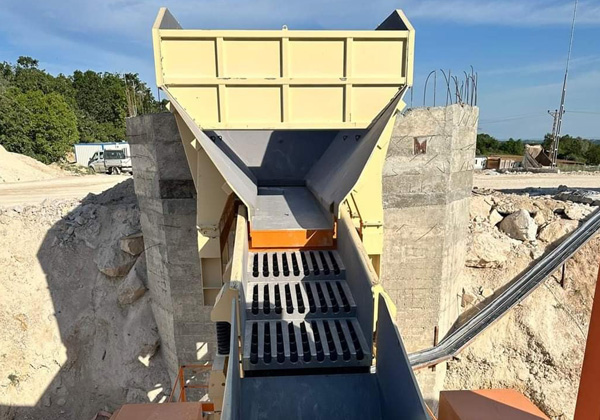
One of the primary benefits of using a vibrating feeder in crushed stone production is increased efficiency. By ensuring that material is delivered evenly to the crusher, it optimizes crusher performance, reduces wear and tear on components, and prevents overloading. This uniform feeding leads to consistent output quality, which is vital for meeting construction standards and customer requirements in the aggregate industry.
From a design perspective, vibrating feeders are built to be robust and adaptable. They come in various sizes and capacities to match production needs, and many models feature adjustable vibration intensity and feeding speed. This adaptability allows operators to optimize the feeding process according to the characteristics of the raw material and production requirements, enhancing operational flexibility.
In conclusion, vibrating feeders are vital components in crushed stone production lines. They ensure a consistent and controlled flow of material into crushers, which boosts operational efficiency, reduces maintenance costs, and improves product quality. As crushed stone demand continues to grow in construction and infrastructure sectors, investing in reliable vibrating feeders remains key to sustaining high-performance production plants.