
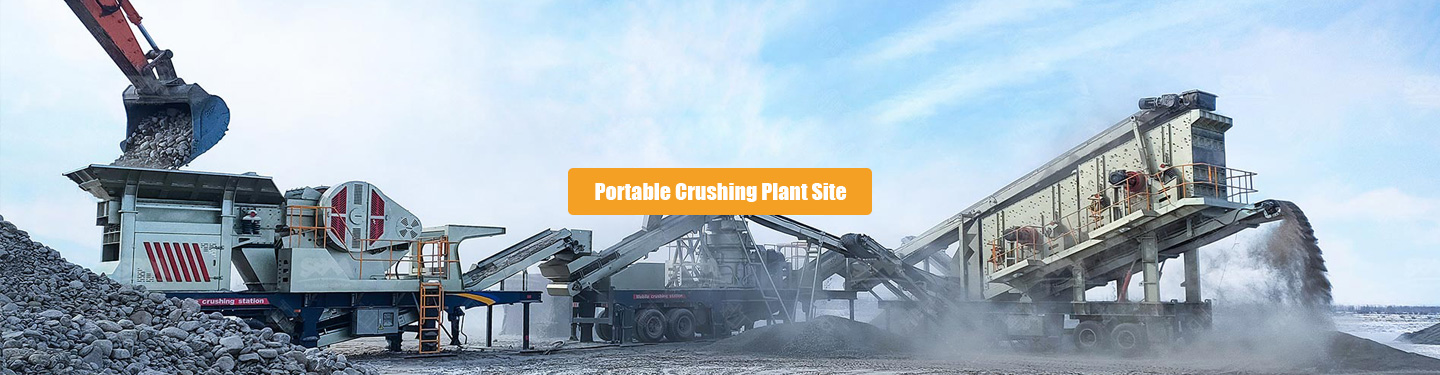
Mobile crushers have revolutionized the construction and mining industries by providing flexible, on-site crushing solutions. Their key advantage lies in their ability to move easily between job sites while still delivering strong performance. One of the most important specifications of a mobile crusher is its capacity — the amount of material it can process within a specific time frame, usually measured in tons per hour (TPH). The capacity of a mobile crusher can vary significantly depending on its design, type, and the hardness of the material being crushed.
Mobile crushers come in different types, such as jaw crushers, impact crushers, and cone crushers. Each type has a different crushing mechanism, which directly affects its output capacity. For example, mobile jaw crushers typically have a capacity range from 50 TPH to 400 TPH, depending on the size and model. Impact crushers are known for producing finer materials and generally range from 100 TPH to 500 TPH. Cone crushers, which are ideal for secondary or tertiary crushing, often operate between 150 TPH and 600 TPH.
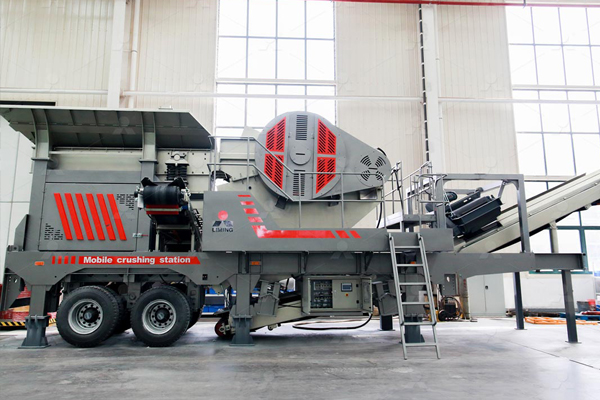
Several factors influence the actual working capacity of a mobile crusher. The size and type of the feed material, the crusher’s settings (such as closed side settings), and the efficiency of the feeding system all play crucial roles. Additionally, the mobility of the unit, such as whether it is track-mounted or wheel-mounted, can affect how consistently material is fed into the machine, thereby impacting overall productivity.
Modern mobile crushers often come equipped with advanced features such as automatic feeding systems, intelligent control panels, and real-time performance monitoring. These innovations help operators maximize the crusher’s capacity while minimizing fuel consumption and downtime. Many manufacturers also offer custom configurations that match the machine’s capabilities with the specific needs of a project, enhancing both efficiency and output.
In conclusion, the capacity of a mobile crusher is not fixed but varies according to its design, configuration, and the nature of the material being processed. Understanding these variables allows operators to select a crusher that matches the specific demands of their project, ensuring efficient and cost-effective operations. Whether for quarrying, mining, recycling, or construction, choosing a mobile crusher with the right capacity is essential for success.