
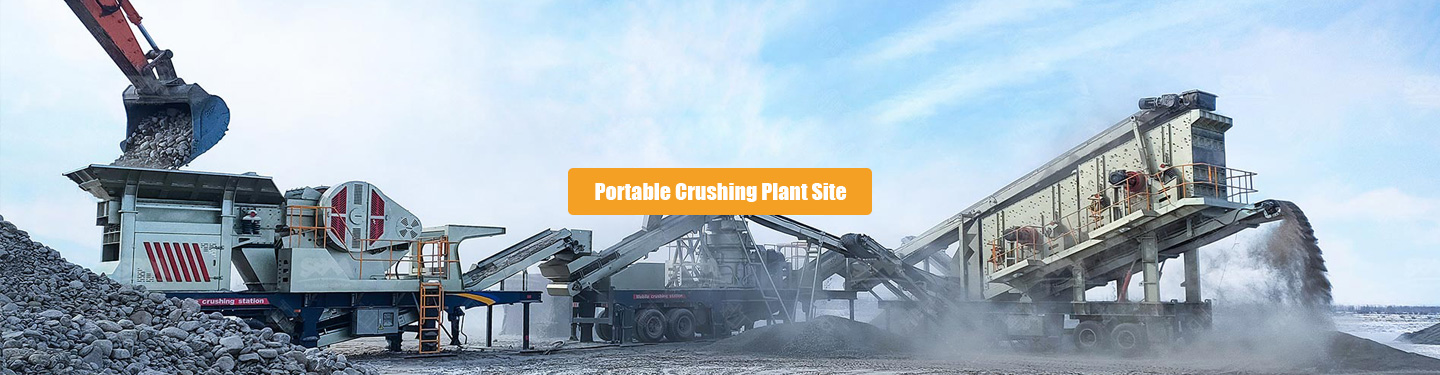
An impact crusher is a type of crusher used in various industries for crushing materials such as aggregates, minerals, and ores. Unlike traditional crushers that use compression to break down materials, impact crushers utilize high-speed impact forces to fracture and break materials into smaller pieces. This unique method makes them versatile and highly effective for producing high-quality aggregates and fine particles.
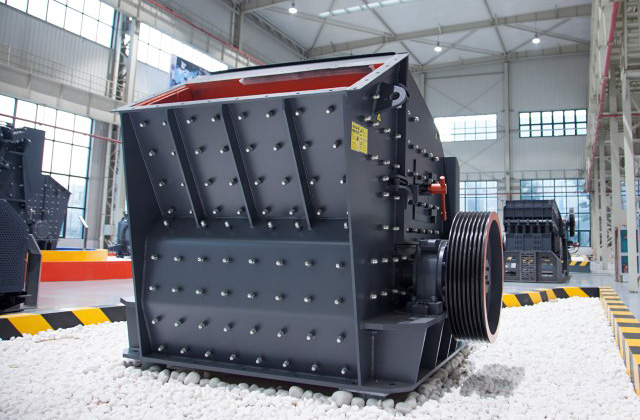
Key Features of Impact Crushers
-
High Efficiency: Impact crushers are known for their efficiency in producing a high percentage of fines, which are essential for many aggregate applications. Their ability to break down material quickly while maintaining a low level of operational cost makes them a top choice for many industries.
-
Versatility: Impact crushers are versatile machines that can be used to process a wide range of materials, from hard rocks to soft materials like limestone and gypsum. They are commonly used in construction, demolition, mining, and recycling projects.
-
Simple Operation: Impact crushers are relatively easy to operate. With the right settings and maintenance, these machines can run for extended periods without major breakdowns. Their design allows operators to quickly adjust settings for optimal performance.
-
Adjustable Product Size: The output size of an impact crusher can be adjusted based on the needs of the project. By changing the gap between the rotor and the blow bars, operators can control the size of the final product, making it a highly customizable machine for different applications.
-
Durability and Low Maintenance: Impact crushers are designed for durability, with wear-resistant components such as blow bars, liners, and impact plates. Regular maintenance, including changing the blow bars and ensuring proper lubrication, helps extend the lifespan of the machine.
Working Principle of Impact Crushers
The basic working principle of an impact crusher involves a rotor that spins at high speed. The material is fed into the machine and is then impacted by the rotor’s hammers or blow bars. These hammers or bars strike the material with great force, causing it to break apart. Once the material has been broken down, it is discharged through a discharge opening at the bottom of the machine.
Specifications – Technical Data
| Model | Specifications(mm) | Feed opening(mm) | Max feed size(mm) | Capacity(t/h) | Power(kw) |
| CI5X1110 | 1100×1000 | 1020×820 | 500 | 150-200 | 160-200 |
| CI5X1213 | 1200×1300 | 1320×880 | 550 | 200-300 | 200-250 |
| CI5X1315 | 1300×1500 | 1540×930 | 600 | 250-350 | 250-315 |
| CI5X1520 | 1500×2000 | 2040×995 | 400 | 400-600 | 400-500 |
| CI5X1524 | 1500×2400 | 2516×767 | 400 | 500-700 | 560-630 |
| CI5X1630 | 1600×2700 | 2740×787 | 400 | 600-900 | 710-800 |
| CI5X1313 | 1300×1300 | 1320×1225 | 800 | 300-450 | 200-250 |
| CI5X1415 | 1400×1500 | 1540×1320 | 900 | 350-550 | 250-315 |
| CI5X1620 | 1600×2000 | 2040×1630 | 1100 | 500-900 | 400-500 |
| CI5X2023 | 2000×2300 | 2310×1990 | 1300 | 1200-2000 | 1000-1260 |