
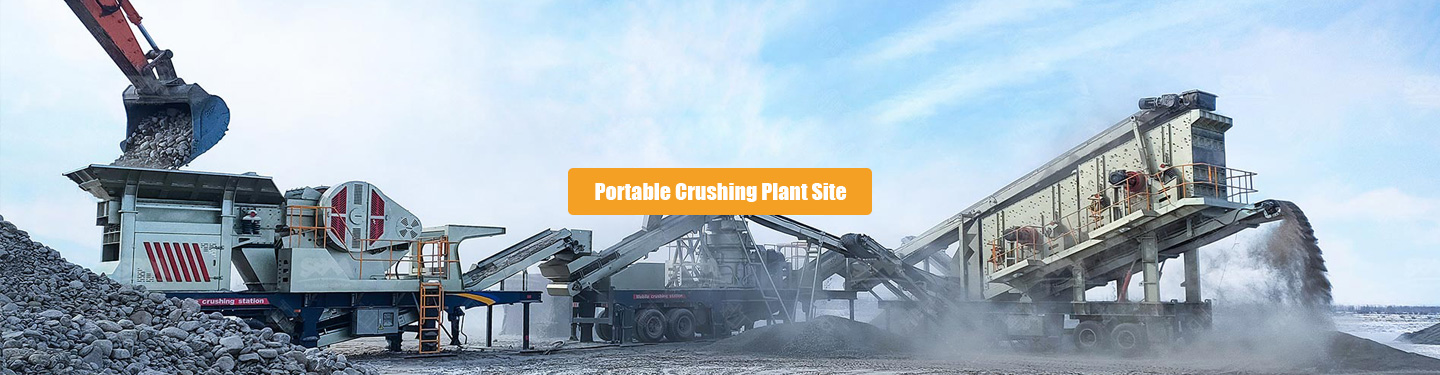
Cone crushers are widely used in mining, aggregate production, and construction industries for crushing hard and abrasive materials such as granite, basalt, and iron ore. One of the crucial factors that affect the efficiency and performance of a cone crusher is the feed size — the maximum size of the raw material that can be effectively processed. Understanding the appropriate feed size is essential to maximize crushing efficiency, minimize wear on the equipment, and ensure product quality.
The typical feed size for cone crushers depends largely on the type and model of the crusher being used. Standard cone crushers generally accept feed sizes up to 300 mm (approximately 12 inches), while short-head cone crushers are more suited for finer feeds, typically less than 100 mm (4 inches). The specific feed size that a cone crusher can handle is determined by its design, crushing chamber configuration, and the closed side setting (CSS).
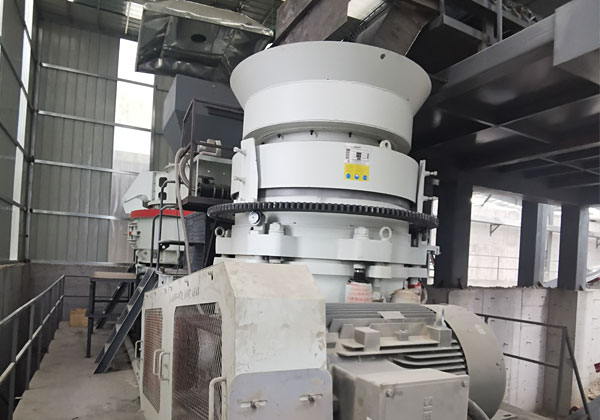
Feeding the cone crusher with the appropriate size of material is crucial for maximizing efficiency. Oversized feed can cause problems such as uneven wear, increased power draw, and damage to the internal components. On the other hand, feeding material that is too fine may not effectively utilize the crusher’s full capacity and can result in poor particle shape. For optimal results, material should be well-graded and within the recommended size range.
Manufacturers typically provide guidelines for the ideal feed size based on the crusher model and application. For instance, a medium-sized cone crusher might be best suited for feed sizes ranging from 150 mm to 200 mm. To ensure consistent performance, it’s important to use a primary crusher (such as a jaw crusher) to reduce the material to a manageable size before it enters the cone crusher.
In summary, the feed size for cone crushers varies depending on the crusher design and the material being processed, typically ranging from 3 to 12 inches. Ensuring the feed size is within the recommended limits is vital for efficient crushing and equipment longevity. Pre-processing steps such as screening or jaw crushing are commonly used to control feed size and improve crusher performance. Understanding and controlling feed size is a key aspect of maximizing the productivity and lifespan of cone crushers in any crushing operation.