
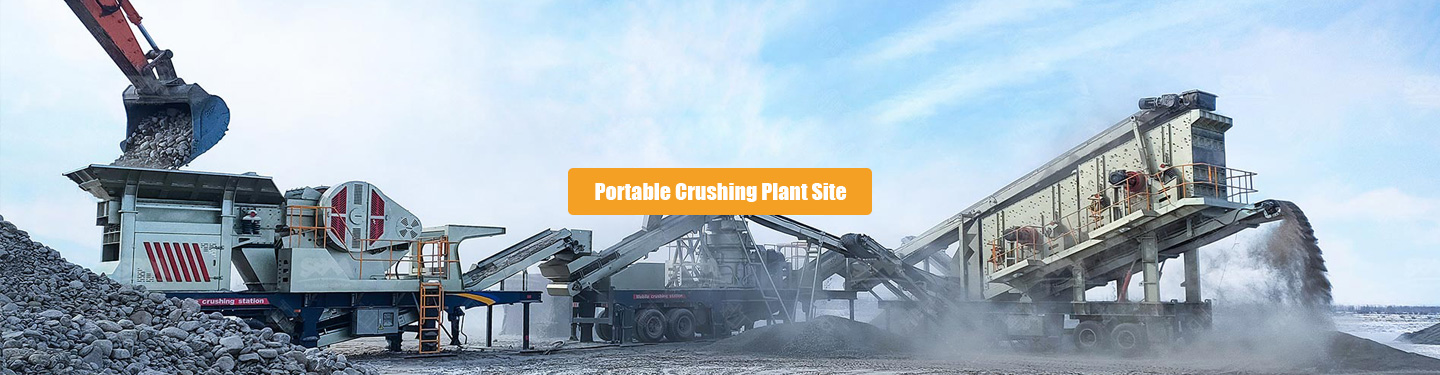
The capacity of a stone crusher is a crucial factor that determines how much material it can process within a specific timeframe. Generally, capacity is measured in tons per hour (TPH) and varies significantly depending on the type and size of the crusher, the hardness of the stone, and the desired output size. Knowing the crusher’s capacity helps operators plan production schedules, select the right machine, and optimize overall workflow in mining, quarrying, and construction operations.
Different types of stone crushers have varying capacities. For example, jaw crushers, which are commonly used for primary crushing, usually have a capacity ranging from 1 to 1000 tons per hour depending on the model and feeding size. Cone crushers and impact crushers, which are often used in secondary or tertiary crushing stages, typically have capacities ranging from 50 to 500 tons per hour. The specific capacity depends on the design and power of the machine.
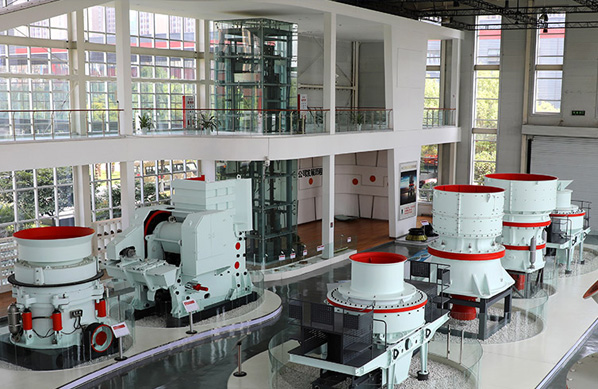
The capacity of a stone crusher is also influenced by the nature of the raw material. Harder stones like granite or basalt require more power and time to crush, which can reduce the crusher’s effective capacity. Conversely, softer materials such as limestone or sandstone can be processed more quickly. Additionally, the moisture content and uniformity of the feed can impact the throughput, making accurate capacity estimation essential for operational efficiency.
Operators must also consider the crusher’s design features to maximize capacity. Factors such as the size of the crushing chamber, the speed of the crusher, and the setting of the discharge opening directly affect the amount of material processed. Modern crushers often include advanced technologies like automation and real-time monitoring to optimize capacity while maintaining product quality.
In conclusion, the capacity of a stone crusher is a vital metric that influences the efficiency and productivity of crushing operations. Understanding the factors affecting capacity allows businesses to choose the right equipment and optimize their processes, ensuring a consistent supply of crushed stone for construction, mining, and other industries.