
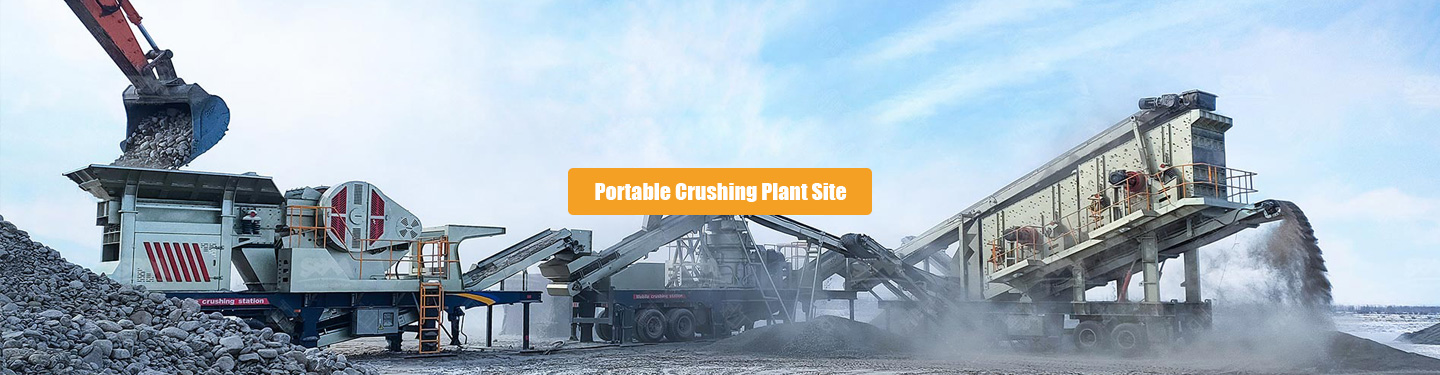
Vibrating screens play a critical role in the mining and mineral processing industries, where efficient separation and classification of materials are essential. These machines use vibration to move and sort minerals by size, helping to ensure that downstream processing equipment receives material within the required particle size range. By improving the efficiency of mineral classification, vibrating screens enhance the overall productivity and quality of mineral extraction.
The working principle of a vibrating screen is based on the use of a vibrating motor or an eccentric shaft that generates oscillations. These oscillations cause the material on the screen surface to move and stratify according to particle size. Larger particles remain on top and move off the screen, while smaller particles pass through the mesh openings to be collected below. This separation process improves efficiency and reduces processing time by allowing only appropriately sized material to move forward for further treatment.
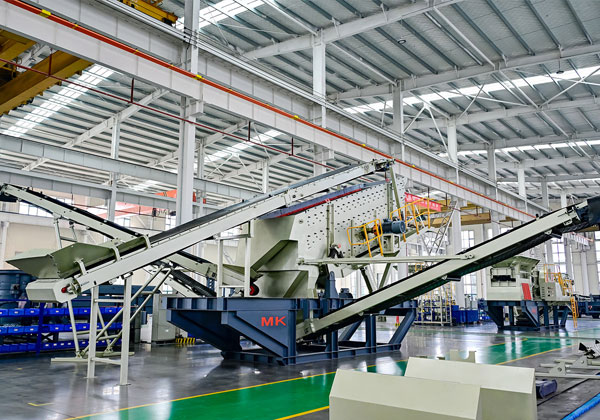
Vibrating screens come in various designs, including single-deck, double-deck, and triple-deck configurations, each suited for different mineral classification needs. The choice of screen mesh size and vibration frequency depends on the type of mineral and the desired separation grade. For example, finer mesh screens with higher vibration frequencies are used for finer particles like sand or powdered minerals, while coarser screens handle larger aggregates or ore chunks.
The benefits of using vibrating screens for mineral classification extend beyond simple size separation. They contribute to improved plant productivity by reducing equipment wear and tear and minimizing blockages. Additionally, modern vibrating screens are engineered for durability and energy efficiency, often incorporating adjustable amplitude and screening angles to optimize performance for specific mineral types and processing conditions.
The performance of a vibrating screen depends on several factors, including the screen mesh size, vibration amplitude, and screen deck inclination. Regular maintenance, such as checking for wear on the screen mesh and ensuring proper lubrication of bearings, is vital to maintain optimal performance and prolong the equipment’s lifespan. Additionally, modern vibrating screens are often equipped with advanced control systems that allow for real-time monitoring and adjustment of operational parameters.
In conclusion, vibrating screens are vital equipment in mineral classification, offering precise and efficient particle separation. Their adaptability to different mineral types and processing requirements ensures they remain a cornerstone in mining operations worldwide. With continued advancements in design and technology, vibrating screens will continue to enhance mineral processing efficiency and product quality in the years to come.