
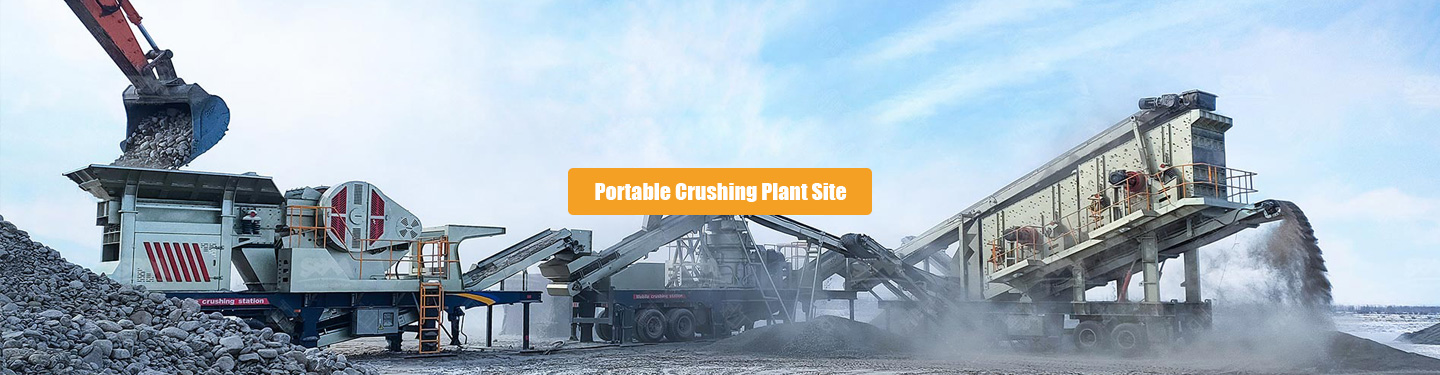
In the world of construction and mining, the demand for high-quality sand and gravel is ever-increasing. Sand, an essential raw material in concrete production, asphalt mixing, and various other industrial applications, is required in large quantities to meet global construction needs. This is where the sand making machine comes into play, revolutionizing the way sand is produced and significantly reducing the need for natural sand extraction.
What is a Sand Making Machine?
A sand making machine, often referred to as a vertical shaft impact crusher (VSI) or sand maker, is a type of equipment designed to produce high-quality sand by crushing rocks and stones. The process involves feeding materials, such as limestone, granite, basalt, and others, into the machine, which then crushes and shapes them into sand particles. The final product can vary in size, ranging from coarse to fine sand, depending on the specifications and the settings of the machine.
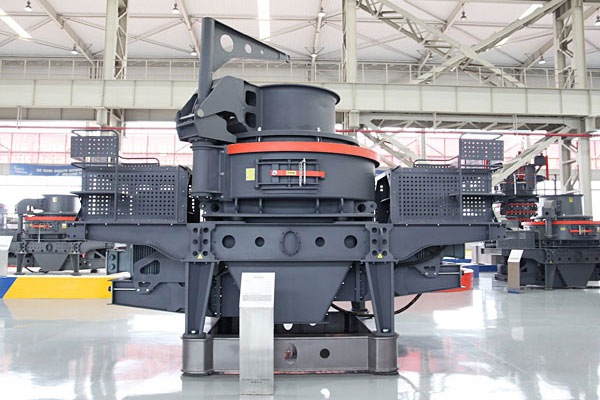
These machines are widely used in industries such as construction, mining, and quarrying to meet the growing demand for artificial sand, especially in areas where natural sand sources are depleting.
Working Principle of Sand Making Machines
The working principle of a sand making machine revolves around the concept of impact crushing. The machine utilizes a rotor or impeller to accelerate the material, forcing it to strike a surface, usually a set of anvils or impact plates. The high-speed collision causes the material to break down into smaller particles. Some models may also use a combination of crushing, grinding, and shaping to produce the desired sand texture.
Key components of a sand making machine include:
-
Feed hopper: The opening where raw materials are fed into the machine.
-
Rotor: The high-speed rotating component responsible for accelerating and throwing the materials.
-
Impact chamber: The area where the materials are crushed by the impact plates or anvils.
-
Discharge chute: The pathway through which the final product is discharged.
The shape and size of the final product can be adjusted by fine-tuning the machine’s settings, such as rotor speed, feed rate, and material hardness.
Specifications – Technical Data
| Model | Crushing | Re-Shaping | Crushing | Re-Shaping | Main shaft speed(r/min) | Motor | |
| Maximum(mm) | Central feeding(t/h) | Voltage | Power(kw) | ||||
| VSI6X8015 | ≤30 | ≤40 | 109-117 | 131-210 | 1300-1700 | 380V | 75×2 |
| VSI6X9026 | ≤35 | ≤45 | 167-179 | 200-323 | 1200-1500 | 380V | 132×2 |
| VSI6X9026Z | ≤35 | ≤45 | 167-179 | 200-323 | 1200-1500 | 380V | 132×2 |
| VSI6X1040 | ≤40 | ≤50 | 264-283 | 317-515 | 1100-1400 | 380V | 200×2 |
| VSI6X1040Z | ≤40 | ≤50 | 264-283 | 317-515 | 1100-1400 | 380V | 200×2 |
| VSI6X1150 | ≤45 | ≤55 | 344-368 | 413-663 | 1000-1300 | 380V | 250×2 |
| VSI6X1150Z | ≤45 | ≤55 | 344-368 | 413-663 | 1000-1300 | 380V | 250×2 |
| VSI6X1150G | ≤45 | ≤55 | 344-368 | 413-663 | 1000-1300 | 6KV/10KV | 250×2 |
| VSI6X1263 | ≤50 | ≤60 | 454-486 | 545-872 | 900-1200 | 380V | 315×2 |
| VSI6X1263Z | ≤50 | ≤60 | 454-486 | 545-872 | 900-1200 | 380V | 315×2 |
| VSI6X1263G | ≤50 | ≤60 | 454-486 | 545-872 | 900-1200 | 6KV/10KV | 315×2 |
| VSI6X1380 | ≤50 | ≤60 | 601-643 | 721-1150 | 800-1100 | 380V | 400×2 |
| VSI6X1380G | ≤50 | ≤60 | 601-643 | 721-1150 | 800-1100 | 6KV/10KV | 400×2 |
| VSI6X13100 | ≤50 | ≤60 | 738-839 | 940-1510 | 800-1100 | 380V | 500×2 |
| VSI6X13100G | ≤50 | ≤60 | 738-839 | 940-1510 | 800-1100 | 6KV/10KV | 500×2 |
Any change of technical data shall not be advised additionally.