
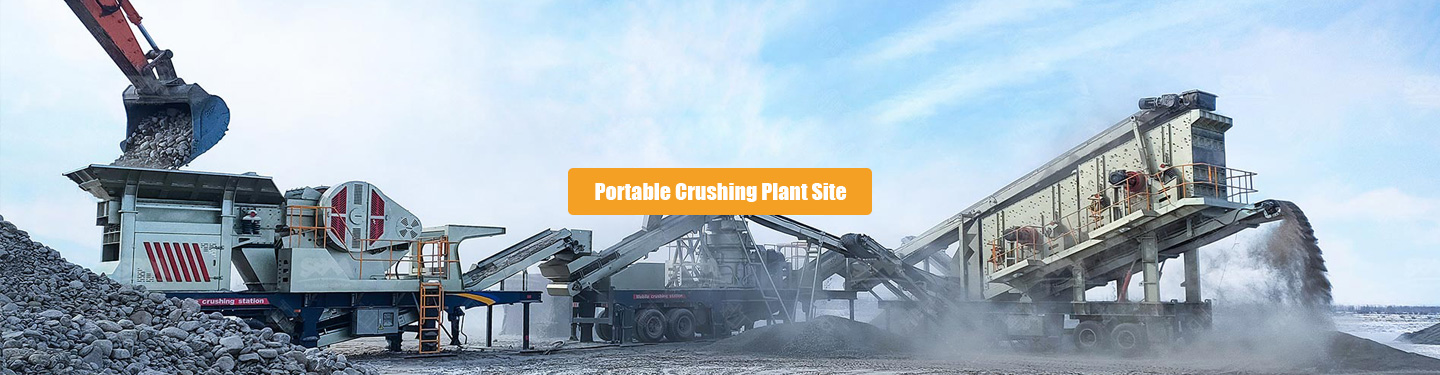
Introduction to Cone Crushers and Discharge Particle Size
Cone crushers are essential machines widely used in mining, quarrying, and aggregate production industries to crush various types of rocks and ores. One of the critical performance indicators of a cone crusher is the particle size of the crushed material discharged from the crusher. The discharge particle size affects the efficiency of downstream processes such as grinding, screening, and final product quality. Understanding and controlling the discharge size is important for optimizing production and ensuring that the crushed material meets specific requirements.
Factors Influencing Discharge Particle Size
The discharge particle size of a cone crusher depends on multiple factors. The primary factor is the crusher’s design, including the crushing chamber shape and the size of the crusher’s discharge opening, often called the “closed side setting” (CSS). The CSS determines the smallest gap between the mantle and the concave at the bottom of the crushing chamber. A smaller CSS produces finer particles, while a larger CSS results in coarser output. Other factors include the feed size and the hardness of the material, the crusher’s speed, and the wear condition of the crushing surfaces.
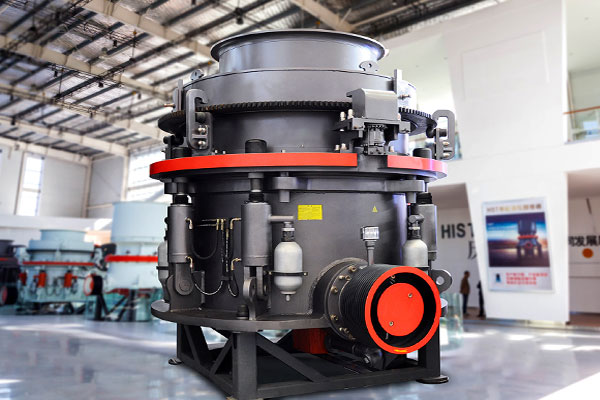
Typical Discharge Size Range
Cone crushers provide flexibility by allowing operators to adjust the discharge opening to produce different particle sizes depending on the application. For example, in aggregate production, a finer particle size may be required for use in concrete or asphalt mixes, whereas a coarser size might be acceptable for base layers in road construction. The ability to adjust the discharge size helps meet the varying demands of different construction and industrial projects, maximizing the crusher’s utility and ensuring the desired product specification.
Impact of Discharge Particle Size on Overall Production
The discharge particle size directly influences the crusher’s throughput and the quality of the final product. If the discharge size is too fine, the crusher might produce excessive fines, reducing the yield of usable product and potentially causing issues in downstream processing. Conversely, larger discharge sizes can increase throughput but may require additional crushing stages, increasing operational costs. Optimizing discharge particle size is thus a balance between throughput, energy consumption, and final product specifications.
Monitoring and Adjusting Discharge Size
Modern cone crushers are often equipped with automated control systems that monitor and adjust the discharge particle size in real-time. Sensors and advanced software can detect changes in material hardness, feed size, and wear on crusher liners, automatically adjusting the CSS or speed to maintain optimal product size and consistency. Regular maintenance and proper operator training are also critical to ensure the discharge particle size remains within desired limits, improving both product quality and equipment longevity.