
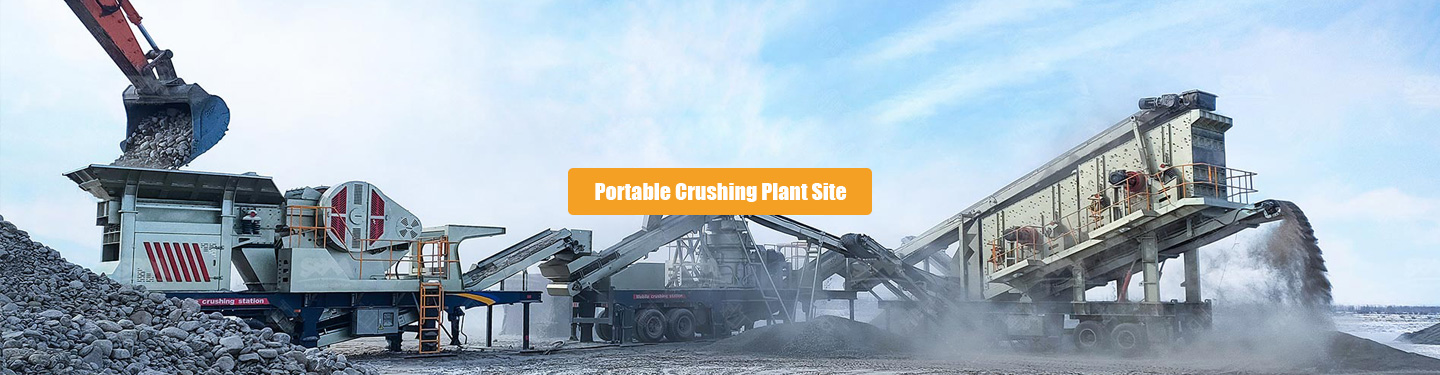
Quarry crushers are vital machines used in the extraction and processing of raw materials from quarries. They help reduce large rocks into smaller, manageable sizes, which can then be used for construction, road building, and various industrial purposes. The crushing process is essential to transform raw stone into usable aggregates, such as gravel, sand, and crushed rock. Quarry crushers come in different types and sizes, each designed to handle specific materials and production requirements.
Types of Quarry Crushers
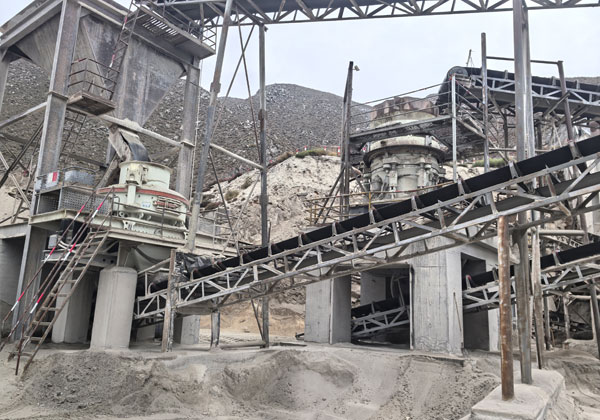
There are several types of crushers commonly used in quarries. The most popular ones include jaw crushers, cone crushers, impact crushers, and gyratory crushers. Jaw crushers operate by compressing the rock between two plates, suitable for coarse crushing. Cone crushers use a gyrating cone inside a fixed outer shell, ideal for medium to fine crushing. Impact crushers use impact force to break rocks and are excellent for materials with lower hardness. Each type has its advantages depending on the rock hardness, desired output size, and production capacity.
Working Principle and Features
The working principle of quarry crushers varies slightly depending on the type but generally involves applying force to break down rock materials. For example, jaw crushers use compressive force to crush rocks, while impact crushers rely on striking force. Modern quarry crushers are designed with advanced features such as hydraulic adjustment, automatic overload protection, and high crushing ratios. These features improve productivity, reduce downtime, and enhance safety. Additionally, many crushers are designed to be mobile, enabling easy transportation and on-site crushing.
Applications in the Quarry Industry
Quarry crushers play a vital role in producing aggregates required for construction, road building, concrete production, and asphalt manufacturing. They are used to process various types of stones, including limestone, granite, basalt, and sandstone. The crushed stone is then sorted by size using screens and transported for further use or sale. Quarry crushers enable efficient material handling, reducing the need for manual labor and improving overall project timelines.
Maintenance and Operational Considerations
To maximize the lifespan and efficiency of quarry crushers, regular maintenance is crucial. This includes routine inspection of wear parts such as jaw plates, cone liners, and blow bars, as well as checking lubrication systems and hydraulic components. Proper operation also involves feeding the crusher with appropriate material sizes and avoiding overloading, which can cause damage. Investing in good maintenance practices ensures consistent crusher performance, minimizes unexpected breakdowns, and reduces operational costs over time.
In conclusion, quarry crushers play a crucial role in the mining and construction industries by transforming large rocks into useful aggregate materials. The variety of crusher types allows quarry operators to tailor the crushing process to different rock types and production needs. With advancements in technology, quarry crushers have become more efficient, durable, and environmentally friendly, contributing to safer and more sustainable quarrying practices. Understanding the functions and options of quarry crushers helps businesses optimize their operations and meet market demands effectively.