
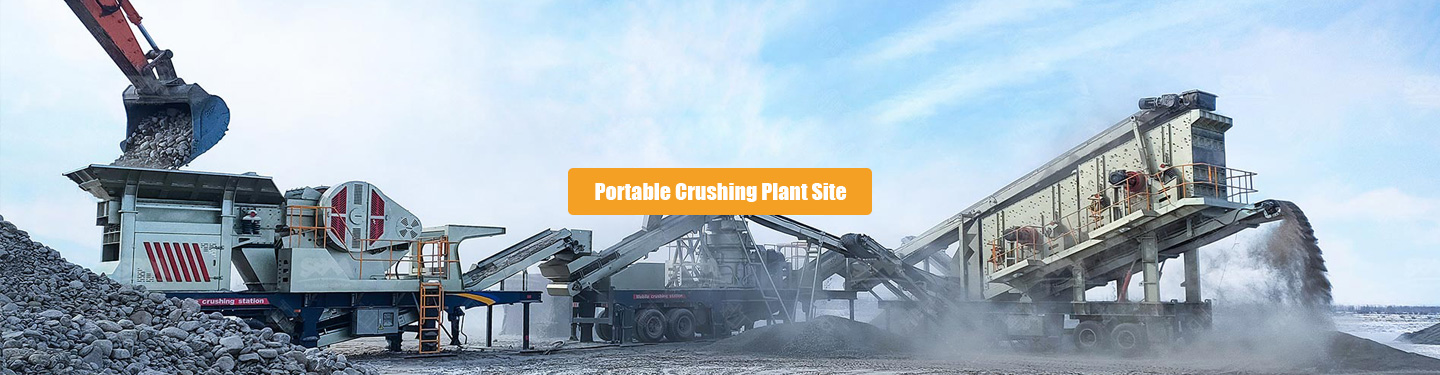
A jaw crusher is a fundamental machine used in the mining and quarrying industries for coarse crushing of raw minerals. It operates based on a simple but highly effective mechanism that simulates the motion of a human jaw. This machine is essential in the primary stage of mineral processing, where large, raw stones or ores need to be reduced to manageable sizes for further processing. Designed to handle high loads, the jaw crusher is particularly effective for hard and abrasive materials such as granite, basalt, iron ore, and quartz.
The primary function of a jaw crusher is to reduce the size of large raw materials by compression crushing. It typically consists of two jaws — one fixed and the other moving — which form a V-shaped chamber. The moving jaw applies force against the material, pushing it against the fixed jaw. As the material is crushed, it gradually falls to a narrower section of the chamber until it reaches the desired size and exits through the bottom. This mechanism makes jaw crushers extremely efficient at handling tough materials and allows them to operate continuously under heavy-duty conditions.
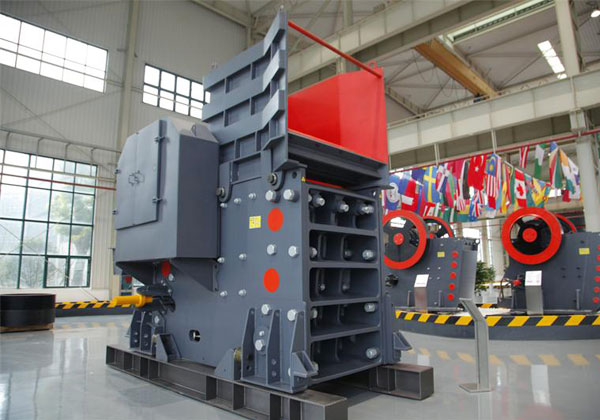
Jaw crushers are categorized mainly by their feed opening size and the capacity they can handle. For coarse crushing applications, machines with larger feed openings — often up to 1500 mm — are preferred, as they can process substantial volumes of material in a single pass. They can produce output sizes typically ranging from 100 mm to 300 mm, which is suitable for secondary crushing processes. Because of their robust construction and high throughput capacity, jaw crushers are widely used in mining operations, aggregate production, and mineral processing plants.
Another key advantage of jaw crushers in coarse crushing applications is their simplicity and low maintenance requirements. These machines usually have fewer moving parts than other types of crushers, which reduces the likelihood of mechanical failure. In addition, wear-resistant materials such as manganese steel are used for critical components like jaw plates, ensuring long service life and low operating costs. Many modern jaw crushers are also equipped with hydraulic adjustment systems, making it easier to change settings and maintain consistent output size.
In conclusion, the jaw crusher remains an indispensable tool for the coarse crushing of raw minerals. Its ability to handle large feed sizes, combined with its rugged design and ease of maintenance, makes it ideal for heavy-duty applications. Whether used in a remote mining site or a large-scale quarry operation, a jaw crusher provides the reliability and performance needed to kick-start the mineral processing workflow efficiently and effectively.